



How to Sell BoardBooks on Amazon
(Even Though Amazon Can't Print Them)
(Even Though Amazon Can't Print Them)
You've spent months writing the perfect children's board book. The illustrations are gorgeous. The story is delightful. You're ready to publish.
So you head over to Amazon Kindle Direct Publishing (KDP), the world's most popular self-publishing platform, and start looking for the "board book" option.
Except… there isn't one.
You refresh the page. You scour the help docs. You Google it obsessively. And then the truth hits you:
Amazon KDP does not print board books.
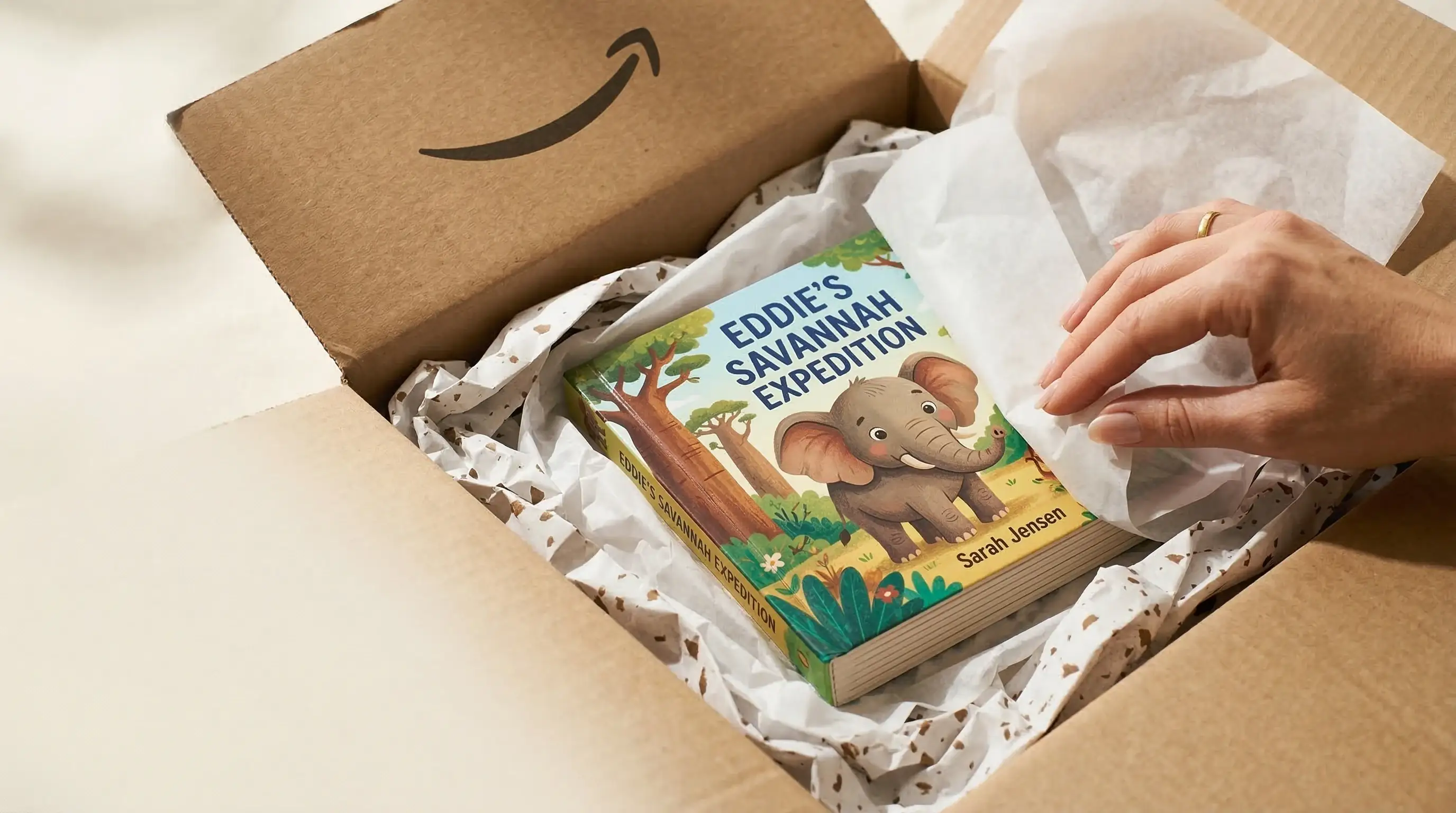
Now, before you panic, here's the good news. Amazon absolutely sells board books. In fact, some of the best-selling children's titles on the platform are board books. Consider First 100 Words by Roger Priddy or anything in the Baby Touch and Feel series.
So what gives? Why can Amazon sell them but not print them?
Let's break this down.
To understand this, you need to understand how print-on-demand (POD) works.
KDP is a print-on-demand service. You don't pay printing costs upfront. Instead, Amazon prints each book when a customer orders it and deducts the printing cost from your royalty payment.
That model works beautifully for low quantities and when you want to print as an order comes in. Quick. Efficient.
Board books are a completely different animal.
Regular paper, digital press, printed one at a time. Fast for single copies.
Thick paperboard, sheet-fed presses, lamination, die-cuts. Requires offset print runs.
Board books are printed in a very different way. The pages are made from thicker paperboard rather than regular paper. Paperboard is similar to cardboard. It is thicker and more durable for little hands. Most board books use paperboard around 1.5 to 2 times thicker than standard book paper.
That extra thickness changes everything.
The paperboard pages cannot be printed using regular presses designed for thinner paper. Special sheet-fed presses with extra finishing steps are required for the lamination process. All of these factors make board book printing slower and more expensive per unit compared to paperback books.
And here's the kicker. That extra cost means it is not feasible for print-on-demand book providers like Amazon KDP. Instead of printing single copies at a time, board books need to be printed in larger offset print runs.
Offset printing brings down the per-unit costs by printing hundreds or thousands of copies at once.
In short, the specialized equipment, the thick board stock, the lamination, and the advanced binding process all mean that board books simply cannot be produced one at a time through a digital press.
Features like die-cuts, lift-the-flap elements, textured pages, and rounded corners? Forget about it on a POD platform. These require dedicated machinery and careful quality control across a print run.
That is why offset printing has remained the industry standard for board books and why every major publisher uses it.
Here is where things get practical.
Offset printing allows you to produce board books with:
The trade-off is that you need to print in bulk. Typically a minimum of 300 to a few thousand copies.
But that trade-off comes with a massive upside. Your per-unit cost drops dramatically. A board book that might cost $15 or more to produce on demand could cost a fraction of that through an offset run.
This is exactly what companies like BoardBookPrinting.com, part of the MCRL Overseas Group, specialize in. They handle the entire offset production process, from print-ready files to finished, packaged board books ready for sale.
But once you have printed the books, how do you actually get them onto Amazon?
That does not mean you cannot use Amazon to sell self-published board books. You simply need to arrange your own offset printing run first.
Once you have the books printed, Amazon provides several ways to sell and distribute them.
This is the simplest model. The first step is creating an Amazon Seller Central account if you do not already have one. This allows you to list physical products for sale on Amazon's marketplace.
Once your listing is live, you store your printed board books yourself in your garage, a spare room, or a rented storage unit. When an order comes in, you pack it and ship it.
Advantages
Challenges
This approach works well for authors just starting out or testing the market with smaller print runs.
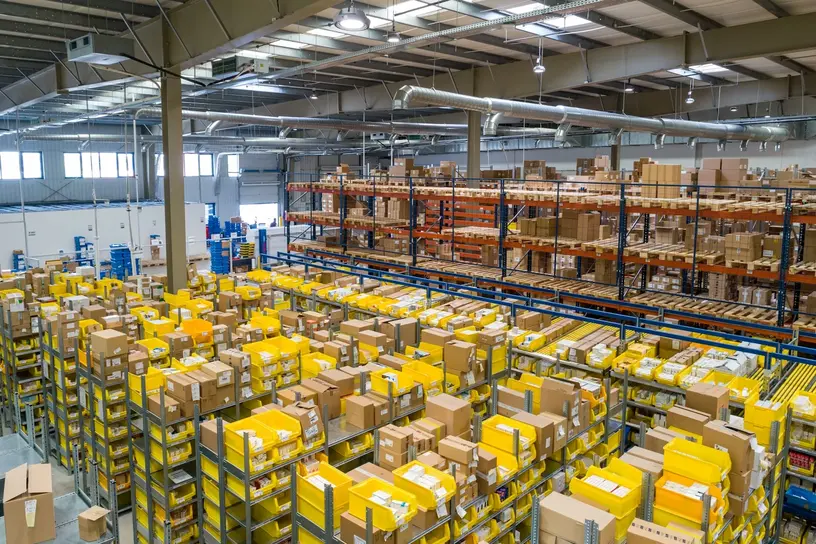
This is where Amazon handles the heavy lifting.
You ship your printed board books to Amazon's warehouse. Amazon stores them, ships orders when they come in, and handles customer service and returns.
Advantages
Challenges
For authors who want to scale quickly and do not mind giving up some margin for convenience, FBA can be a strong option.
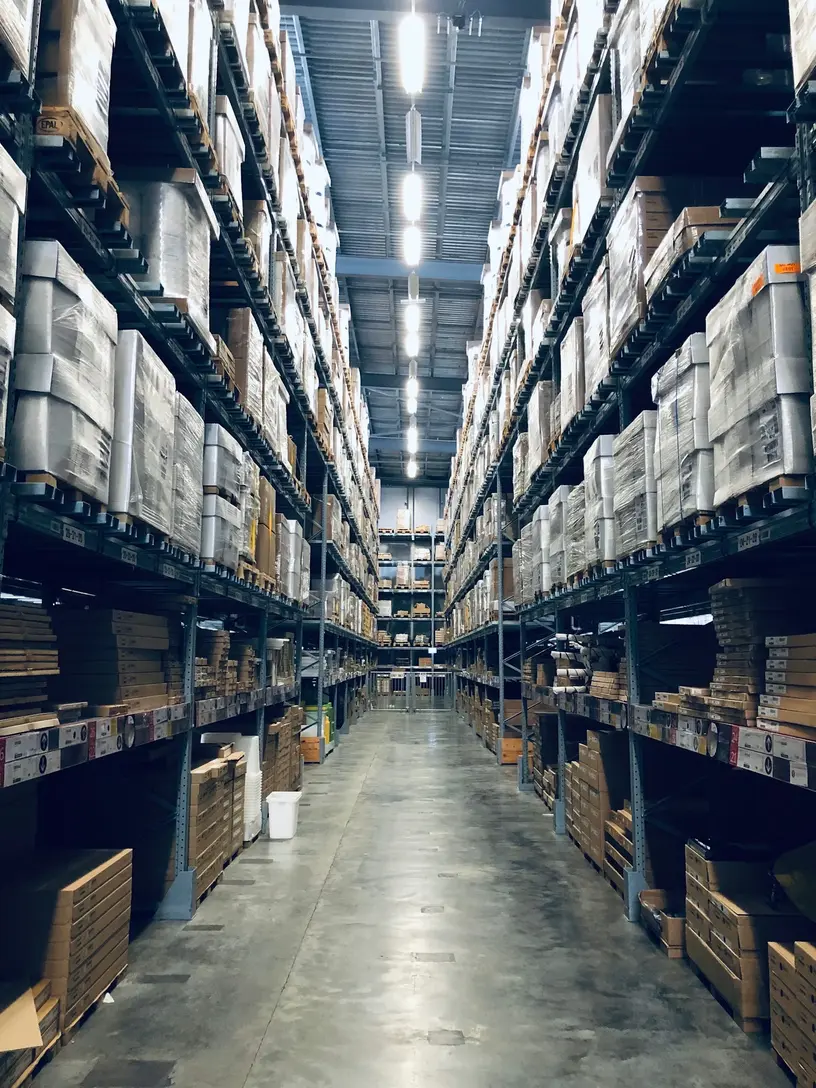
This is the option most self-publishing authors do not know about, and it may be the most powerful one.
Instead of shipping books to your home or to Amazon, you ship them directly from the printer to a third-party fulfillment warehouse.
These warehouses:
It is like having your own logistics operation without building one.
MCRL Overseas Group (parent company of BoardBook Printing) focuses on what they do best: producing exceptional board books. While they do not provide in-house warehousing or fulfillment, they can ship your finished books directly to trusted third-party partners.
MCRL works with and recommends reliable storage and fulfillment companies that many of their clients already use and trust.
With MCRL managing the production side, you benefit from a streamlined process that includes:
From there, third-party providers can handle storage and Amazon order fulfillment.
Through these trusted partners, services such as warehousing and Amazon order fulfillment can then be managed efficiently.
From manuscript to the customer's doorstep.
Absolutely. You just cannot print them there.
The path is straightforward:
Get your board book printed through an offset manufacturer like BoardBookPrinting.com
Choose your fulfillment method: merchant fulfilled, FBA, or a third-party warehouse
List your book on Amazon Seller Central
Start selling
One more important detail: you will need your own ISBN. Amazon's free ISBN option through KDP does not apply here because your book is not being printed through KDP.
The board book market on Amazon is thriving. The barrier is not demand. It is simply understanding the right process. And now you do.
Get a quote from BoardBookPrinting.com and find out how easy it is to go from idea to Amazon listing.
GET AN INSTANT QUOTE
